Substack

Showing posts with label Administration. Show all posts

Wednesday, July 8, 2026

AI for organisational and bureaucratic reforms

The debate rages about the extent of AI’s likely impact on the economy and human lives. So far, there has been an apparent lack of commercial value creation to justify the gigantic and exponentially increasing volume of AI investments. 

I blogged here on the distinction between horizontal and vertical use cases of AI, with success on the latter being limited, here cautioning about the likely impact of AI on development and in developing countries, and here on some possible high-impact use cases for AI in lower-income countries. 

The most common horizontal use of AI is in personal productivity improvements. Claude, ChatGPT, etc., are already having large effects on personal productivity. But its translation into vertical use products is muted. 

On this, John Burn-Murdoch points to the work of Mert Demirer, Leon Musolff and Liyuan Yang to make two important points. The first point is the “disconnect between reported increases in coders’ output and the apparent lack of a corresponding boom in product or value creation,” which creates a very steep funnel between inputs and outputs. 

The study by MIT’s Mert Demirer and co-authors tracked software developers’ work before and after they adopted AI tools. Importantly, they measured this at several different levels, from the amount of code written, to the number of discrete files edited, to the number of projects or features worked on, to actual releases of new software. They found an explosive impact at the top of this funnel — coders created or edited almost 300 per cent more files — but that boost was halved to 150 per cent by the time they got to the number of discrete pieces of work submitted for review, and that in turn shrunk fivefold to a roughly 30 per cent uplift in the number of full software releases.
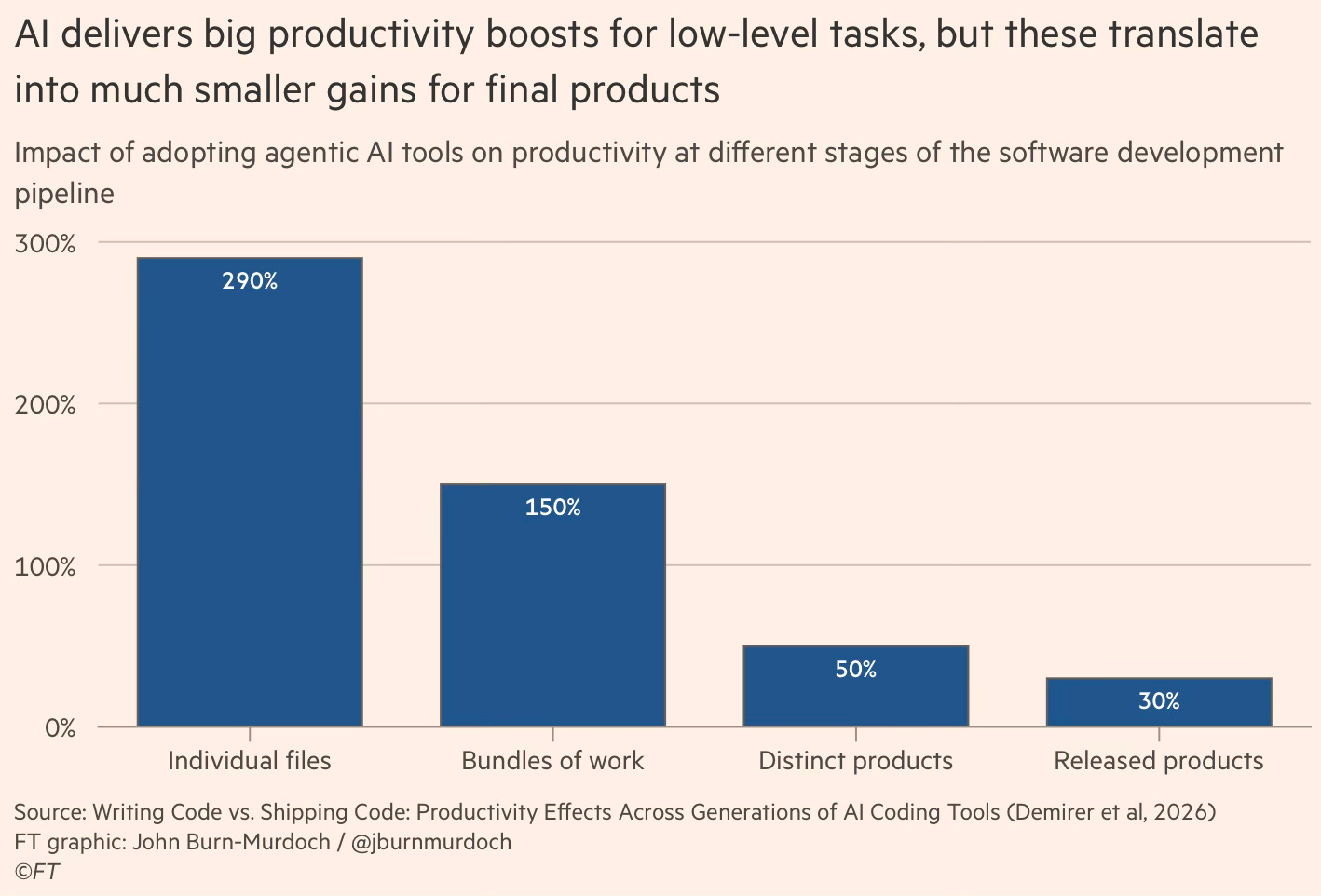
The authors also found little evidence of AI-assisted increases in software development, leading to increased consumption of Apps. 

This brings us to the second point made by the authors about AI’s impact - it is likely to be fully realised only when new organisational structures, markets, and business models emerge.

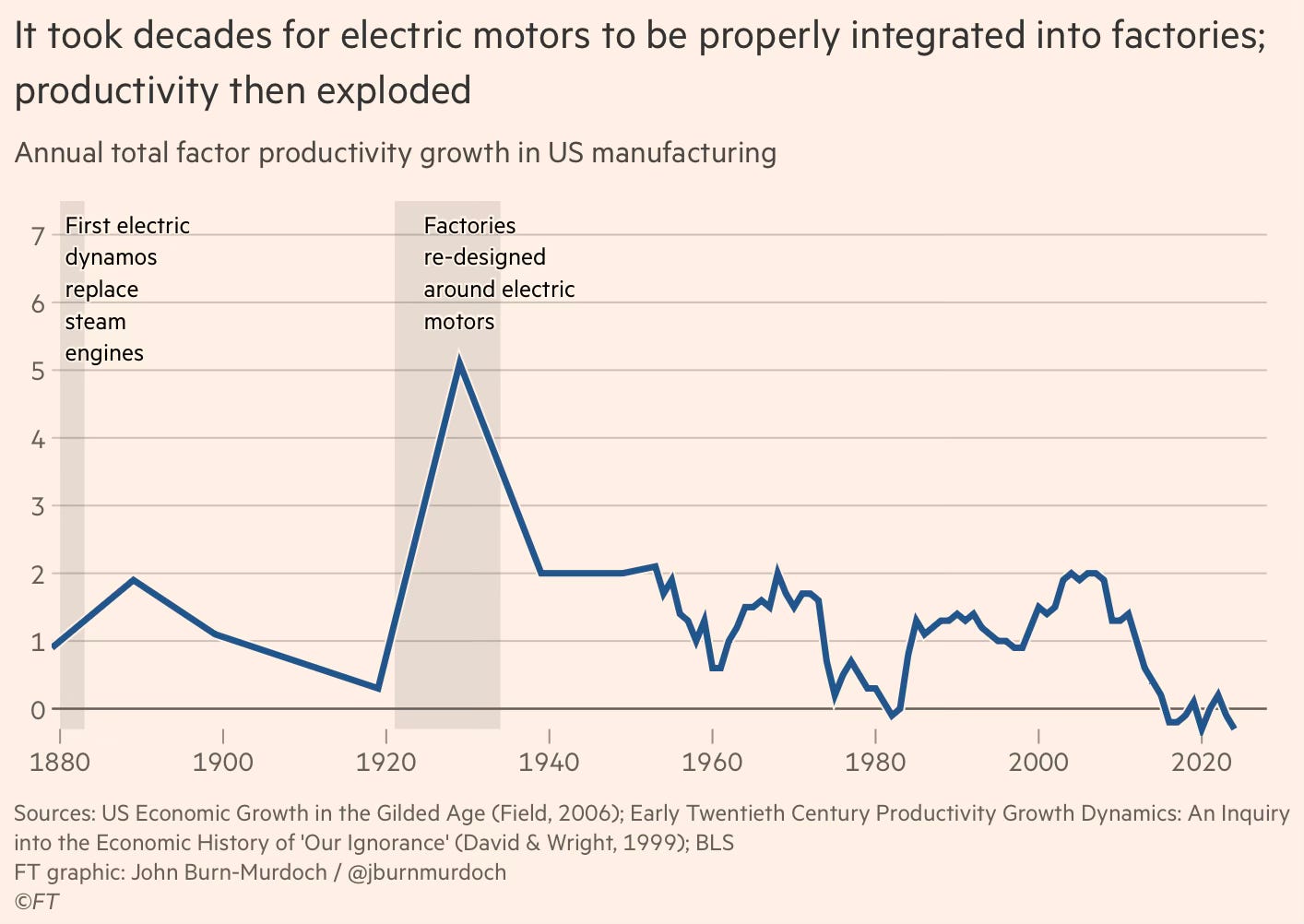
But Demirer and his co-authors feel the more likely explanation is that current organisational structures and marketplaces are not set up to take advantage of real underlying gains. That view is supported by the evidence from past technological revolutions, where the real jumps in productivity and job displacement came from new companies and processes rather than incumbents grafting new technology on to existing workflows. In the case of electricity in the late 19th and early 20th century, productivity gains were modest where factories simply replaced giant steam engines with giant electric motors but left the rest of the machinery and layout unchanged. The boom arrived decades later when engineers fitted individual workstations with their own small motors.
In this backdrop, Jack Dorsey and Roelof Botha have an insightful article on organisational impact. Specifically, they claim that AI’s productivity-enhancing value can address the fundamental coordination problem in large organisations that manifests in the form of a trade-off between span-of-control limitations (which add organisational layers) and speed of information flows. They argue that AI sharply increase people’s span of control, thereby reducing organisational layers and hastening decision-making. 

The first organisational models emerged in the military to organise large numbers of soldiers into a coherent and effective fighting unit. It involves a hierarchical chain of command that allows for a span of control and a seamless flow of information and instructions. The model then entered the corporate world through the US railroads in the 1840s and 1850s, which borrowed West Point-trained engineers from the US Army. They trace the evolution of the modern organisational form,

In the mid-1850s, Daniel McCallum of the New York and Erie Railroad created the world’s first organizational chart to manage a system stretching over 500 miles with thousands of workers… McCallum’s chart formalized the same hierarchical logic the Romans had used: layers of authority, defined reporting lines, structured information flow. It became the blueprint for the modern corporation… Frederick Taylor (1856-1915), often called the “Father of Scientific Management,” optimized what happened within that hierarchy. Taylor broke work into specialized tasks, assigned them to trained experts, and managed through measurement rather than intuition. This produced the functional pyramid organization - a structure optimized for efficiency within the information routing system that the military had pioneered and the railroads had commercialized… 

In 1959, McKinsey’s Gilbert Clee and Alfred di Scipio published “Creating a World Enterprise” in the Harvard Business Review, providing an intellectual framework for a matrix organization that combined functional specialties with divisional units. Under the leadership of Marvin Bower, McKinsey helped companies like Shell and GE implement these principles, balancing central standards with local agility. This became the “professional” or “modern” corporation that propelled the postwar global economy… The McKinsey 7-S framework, developed in the late 1970s by Tom Peters and Robert Waterman, distinguished the “hard Ss” (Strategy, Structure, Systems) from the “soft Ss” (Shared Values, Skills, Staff, Style). The core idea was that structural elements alone were insufficient. Organizational effectiveness required alignment across cultural traits and the human factors that determine whether a strategy actually succeeds.

They suggest that AI makes it possible to solve the fundamental coordination problem within large organisations that necessitate hierarchical formations. 

For the first time, a system can maintain a continuously updated model of an entire business and use it to coordinate work in ways that previously required humans relaying information through layers of management… In a traditional company, a manager’s job is to know what’s happening across their team and relay that context up and down the chain. In a remote-first company where work is already machine-readable, AI can build and maintain that picture continuously. What’s being built, what’s blocked, where resources are allocated, what’s working and what isn’t. That’s the information the hierarchy used to carry. The company world model carries it instead… 

In a conventional company, the intelligence is spread throughout the people and the hierarchy routes it. In this model, the intelligence lives in the system. The people are on the edge… The edge is where the intelligence makes contact with reality… the edge doesn’t need layers of management to coordinate it. The world model gives every person at the edge the context they need to act without waiting for information to travel up and down a chain of command… Everything else the old hierarchy did, the system coordinates, and everyone is empowered, with a role that’s much closer to the work and the customer.

They identify three roles - Individual contributors (ICs) who are deep specialists and experts who build and operate system capabilities; Directly Responsible Individuals (DRI) who own specific cross-cutting problems or opportunities and customer outcomes; and player-coaches who replace the traditional manager whose primary job was information routing, who do both building and handling people. 

All this makes great sense and points to how corporate organisational models are likely to emerge as the application of AI progresses. There will be frontier firms in a few sectors that will lead the way for others to follow. 

AI applications are a promising opportunity to address inefficiencies and coordination failures in public bureaucracies, too, and improve the quality of public administration. 

For a start, it has the potential to restore internal capabilities, which have eroded steeply. Over the years, thanks to practices like outsourcing all analytical and documentation work to consulting firms and the hiring of individual consultants (most notably now, the system of Young Professionals, YPs, in governments), there has been a complementary erosion of in-house expertise. The capabilities to articulate proposals for internal deliberations and file circulation have atrophied. Given that bureaucracies run on deliberations and files, this trend is an underappreciated aspect of state capability weakness. 

AI provides an opportunity to reverse these trends and develop internal capabilities. The primary reason for the reliance on external expertise is the extent of analytical work and documentation required during the deliberative process (everything from a concept note on the proposal to reports for appraisals, and Cabinet Notes). The bureaucratic leaders who are burdened with a multiplicity of tasks, work under tight timelines, face increased fetters from oversight agencies and courts, and must rely on an increasingly enfeebled internal bureaucracy. In the circumstances, they prefer to outsource the thinking and documentation to outsiders. I have blogged earlier on the perils of this approach

AI tools like Claude are excellent at analytical work and the generation of these documents in response to clearly articulated prompts. It becomes a simpler proposition if bureaucrats can quickly and easily obtain a draft concept and supporting documents, and then scrutinise, validate, and refine it before circulation for approval. AI tools can then become a force multiplier for bureaucratic leaders, who are now constrained by their limited bandwidth and acute dependencies. 

This would also empower bureaucratic leaders, or at least some among them, and could enhance the quality of their engagement with the decision-making process. Besides, by minimising the drudgery of the bureaucratic process, it would also allow bureaucratic leaders to apply their minds and exercise judgment more effectively, thereby improving the quality of decisions and policy design and implementation. It would also lower decision-making delays.

It should therefore become a priority of the National Informatics Centre (NIC) (or an AI division within it) to develop or license AI application that is embedded in the e-office software and enables officials to sift through large documents and generate proposals/presentations, circulation notes and reports using prompts. This has transformative potential for productivity improvements, not only stopping the erosion of internal capabilities but also helping rebuild them. 

If this can be done, it opens up opportunities for far-reaching administrative reforms. The current bottom-heavy pyramid can be rationalised to make it fit-for-purpose.

A major inefficiency is the presence of multiple layers within the administrative system. It is a widespread practice across governments to have YPs, and those recruited as data entry operators originate the note file (a task earlier performed by the clerical staff). The note then gets circulated across several layers, often seven or eight till the approver. This can be radically pruned down to no more than three or four, including the approving authority. 

Such de-layering is especially relevant for technical ministries and departments whose activities are more amenable to AI-based support. Such ministries should have a separate administrative staffing plan, one that takes into account the role that AI can play in generating documentation and considerably reducing any drudgery associated with analytical work. 

As a general illustration, there are perhaps three kinds of activities in any department - shared services (HR, procurement, establishment issues, statutory matters, etc.), administration of departmental programs, and analytical and technical work. There are significant low-hanging likely process-efficiency improvements in all three, and substantive value-addition potential in the third activity. 

This would also necessitate a reassessment of public recruitments. The advent of AI applications means that, unlike in earlier times, apart from merely documenting the issues in a note file, the case worker (the ASO or SO) can now be expected to do some analysis and provide comments. This also means that a smaller base can serve the clerical roles (the entire paraphernalia of clerical cadres can be collapsed into just two functional levels - maker and checker), and their educational qualifications and skills must reflect the requirements for the revised scope of work. I’ll blog separately on this. 

The increased use of AI applications to analyse and document, and a compact and delayered deliberative process captured in the file circulation can also increase the quality of collective engagement and ownership of the bureaucracy in decision-making. It lets (and nudges or forces) everyone contribute meaningfully to the process instead of being passive pass-throughs of instructions and note files. It presents the opportunity to shed reliance on outsourced expertise and build back state capabilities.

This is deep work and, even in the best case, is likely to be adopted only by a few units in the first phase. The objective should be to create the conditions that encourage the emergence of these lighthouses and channel them to diffuse change more widely.

Wednesday, May 21, 2025

Deregulation is rarely a stroke-of-pen reform

There’s a widespread belief that deregulation, as the name appears to suggest, is about the elimination of certain regulations. Eliminate those restrictive provisions with the stroke of a legislative order or an executive decree, and you are all set in the new deregulated world. Unfortunately, while there are some strokes-of-pen deregulations, the vast majority are far from that easy and require sustained engagement. 

Urban planning is a fertile ground for stillborn deregulation. The three commonly discussed planning variables are FAR, height restrictions, and land-use restrictions. Deregulation, as is perceived by commentators, would involve raising FAR and height limits, and promoting mixed-use construction, coupled with measures to ease the process of getting the requisite permissions. But this overlooks several layers of small detail that have the potential to derail any deregulation. 

For illustration, this is the common building rules of a state government. Even without the Annexures, the Government Order itself runs into 26 pages with several details on setbacks, minimum road width, minimum plot size, parking provisions, open spaces, amenities, fire safety and other compliances. This is a consolidation of all the relevant documents and is more than 370 pages long. As can be imagined, the devil is in the details.

It’s therefore not surprising that some Indian cities that claim to have implemented urban planning reforms, including higher FAR and Transit Oriented Development (TOD), have achieved little in substance. One study of a metropolitan city found that onerous details (in terms of minimum plot size and road width requirements) meant that very few sites were able to utilise the liberalised norms on FAR and height. As aforementioned, given the highly detail-oriented context of the reform, notwithstanding its high-minded objectives, it was dead on arrival.

Another example is the Ease of Doing Business (EoDB) rankings. Its biggest failure was its excessive focus on stroke-of-pen changes to laws/rules. The mere enactment of a legislation or issuance of an executive order to change a process was enough to improve rankings, often significantly. The net result was that EoDB resulted in a lot of performative enactments and decrees, with far less substantive improvements in the actual ease of doing business. 

Take the example of the Insolvency and Bankruptcy Code (IBC), hailed as ushering in dramatic improvements in the insolvency restructuring process and contributing to a step change in India’s EoDB ranking. But as the recent Supreme Court judgment on the takeover of Bhushan Steel by JSW shows, effective implementation of the IBC requires addressing the serious deficiencies at the levels of Resolution Professionals (RPs), Committee of Creditors (CoC), NCLT, NCLAT, and the Supreme Court itself. 

The form of an IBC does not automatically translate to the substance of an effective and expeditious bankruptcy resolution. It requires painstaking, long-drawn engagement that complements the iteration and refinement of the law itself with the building of capabilities and ecosystem to ensure effective implementation. 

In general, while there are some such stroke-of-pen reforms, for most changes, the statutory order is often only the first step in a long journey. 

This is a global problem. 

Consider two examples from the UK of the challenges with the effective implementation of deregulation. The Labour government in the UK came to power promising to build aggressively and expand the affordable housing supply. One area of focus is the redevelopment of blighted sites

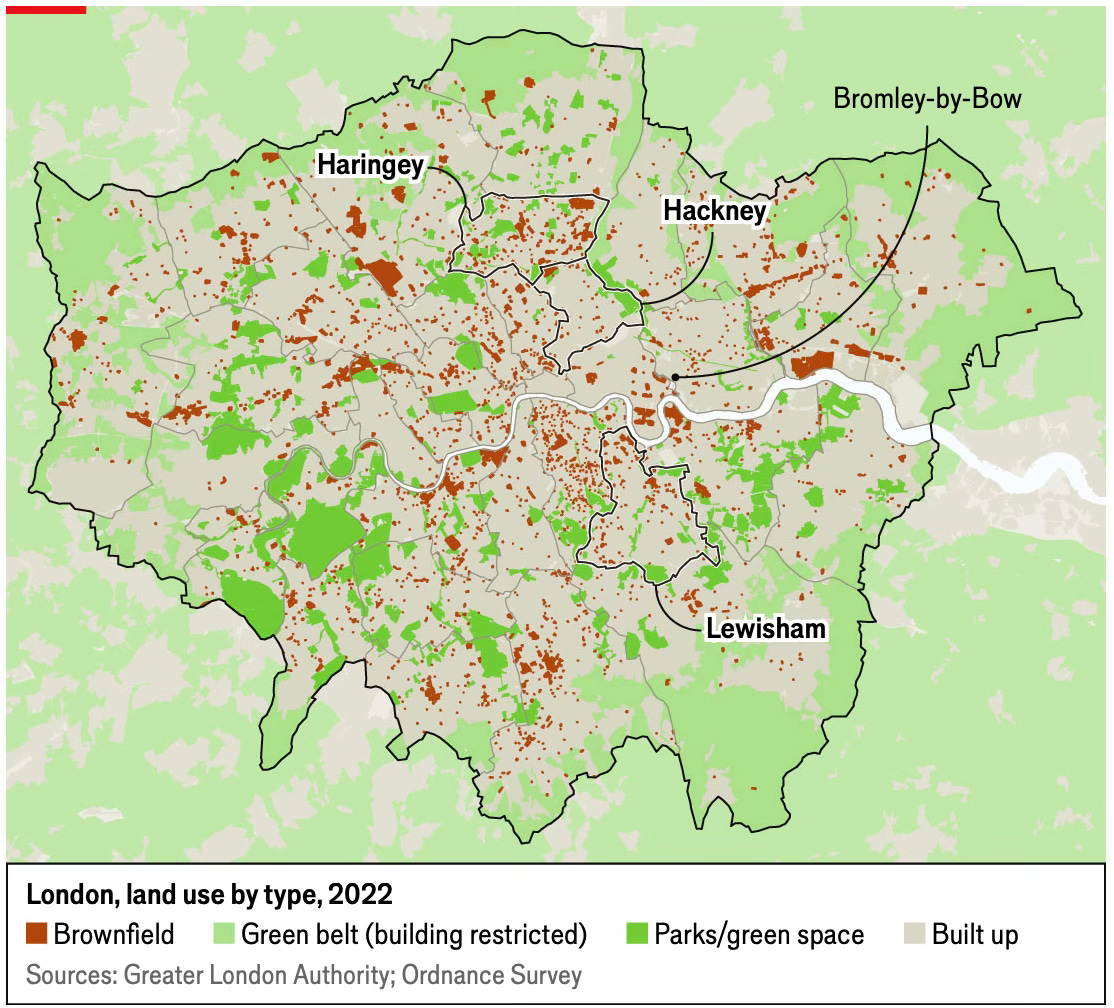
Britain’s cities contain large tracts of brownfield (ie, underused, previously developed) land, thanks to rapid deindustrialisation at the end of the last century. London alone has some 3,500 hectares (8,650 acres). That is around 25 times the size of Hyde Park, and enough space for more than 400,000 homes (London has a target of around 80,000 new homes a year). Clustered by the canals and rivers that were once industrial arteries, the sites are pretty much the only available land in the city. And yet few are being taken on by developers. Building work for just 1,200 new private housing units started in London in the first quarter of 2025, the lowest since 2009 and just 5.5% of the city’s quarterly target, according to Molior, a consultancy. 

But the challenges of building in these sites are immense.

Many borough councils, which largely wield permit power, insist that as many as half of homes in a given development are “affordable”, which immediately rules out smaller sites. At the same time developers are hemmed in by height restrictions and minimum room and unit sizes. From 2026, any building over seven storeys will have to have a second staircase… Some sites, like the former gasworks, require extensive remediation… Ironically, a big problem with ex-industrial plots is biodiversity… Developers must prove that existing biodiversity levels will be increased by 10%, and maintained for 30 years… Such rules illustrate how incentives are skewed. Brownfield developers must go to great lengths to raise the ecological value of derelict, inaccessible sites, often by offsetting. Meanwhile, less environmentally friendly greenfield developments in the suburbs face far lower hurdles.

Another area of focus has been to speed up planning decisions and build on the green belts. But tens of thousands of houses are “stuck in a pipeline because the new Building Safety Regulator is imposing complex design requirements and delaying construction by as much as 18 months.” Then there are mandates on solar panels on all new homes in the spirit of “everything bagel liberalism”. 

Even well-intentioned reforms get caught in the regulatory quagmire that ends up stifling or even killing them. In their book Abundance, Ezra Klein and Derek Thompson write,

“In California broadly, and San Francisco specifically, dozens of pro-housing bills have not led to the construction of more homes, in part because those bills are layered with additional requirements and standards that builders must meet in order to take advantage of the newly streamlined processes. For developers we spoke to, the added costs of compliance weren’t worth it, so the legislation hadn’t led them to build any new homes at all, much less build them faster. The breakneck deployment of wind and solar infrastructure and battery manufacturing has been slowed by outdated permitting and procurement rules that split the Democratic coalition.”

If deregulation is (mostly) not about high-level legislative or regulatory enactments, not one-off enactments, and involves detailed executive orders and painstaking iteration, it’s important that the spirit of deregulation must be imbibed by officials. 

Governments make laws/rules to govern certain activities that must be regulated in the public interest. In terms of the nature of activities being regulated, regulations broadly cover the issue of statutory certificates, payments and benefits (household cash transfers to industrial policy incentives), municipal and utility services (property tax assessment to electricity connections), licenses and permissions (driving licenses to running a school or hospital to consent for establishment of an industry), procurement processes (eligibility requirements to contract enforcement), and generally compliance with existing laws and regulations (Labour Codes to Companies Act). 

These laws/rules have two broad parts: technical guidance and implementation safeguards. The former can consist of a standard (on, say, a technical aspect like safety or efficacy), identification, an eligibility qualification (technical and/or financial) to perform the activity, a legal requirement, or a combination of some or all of these. The latter consists of provisions to prevent abuse of the implementation of the technical guidance (multiplicity of validations). It also includes compliance reporting. While not alone in culpability, many hassles and accessibility problems arise from the latter (implementation safeguard), which applies to the implementation of the enactment. 

I blogged earlier here on many of these issues in brief. 

Every day, government agencies are issuing orders and notifications across central, state, and local governments. Some norms and principles must restrain this process. All such new orders must be examined with respect to these norms and principles. I’ll present a few below whose spirit must be individually and collectively imbibed within the bureaucracy and polity:

1. The first requirement for any new regulation or condition should be a clear and simple articulation of its objective, identification of the stakeholders impacted, and the manner they will be impacted (in terms of their compliance and reporting). It’s not uncommon to find extra layers of regulation creeping in due to a lack of focus on the objective or trying to cover multiple unrelated objectives. . 

2. The second requirement is prudence on the extent of regulation required, which involves a trade-off between objective and practical considerations. 

Consider a product or a technology or a process in the private sector. Their regulatory validation is contingent on meeting some threshold for success. Any increase in the threshold would entail significant incremental costs. The cost-benefit assessment deems this threshold acceptable. This also assumes a certain acceptable likelihood of failure, false negative or false positive. 

However, in public policy, government agencies often tend to frame guidelines to eliminate any abuse. This leads to tight gatekeeping and access requirements that invariably end up detracting from the objectives. It manifests in the form of enhanced eligibility requirements, additional documentation and certifications, physical verifications, etc. To prevent the likelihood of abuse by 1%, the remaining 99% are penalised with the additional implementation safeguards. 

One way to address this problem would be to have a mechanism that requires officials formulating the safeguard to necessarily examine and trade-off between the elimination of abuse and harassment of the stakeholders in an explicit manner, and then make a choice. 

3. A third requirement should be that the compliance criteria should be defined with clarity, without leaving it open to interpretation. The flexibility to exercise discretion in the interpretation of a regulation, especially in high-stakes issues, is a recipe for harassment and corruption. 

4. A fourth requirement is that the regulation must be formulated with the least burdensome and lowest cost path to achieve the objective. So if there’s an alternative formulation that meets the objective and is less burdensome (or invasive), the same must be preferred. 

5. If a regulation/condition is difficult to define and/or monitor and/or enforce, it’s better to eliminate it (if existing) or not enact it at all (if newly proposed). For example, the assessment of the income of a household to issue an income certificate is fraught with problems. Similarly, the requirement of setbacks on small plots (say, less than 200 sq yards) is most often violated and engenders perverse incentives.

6. If a criterion or compliance requirement is so onerous as to be impossible for compliance by all but a few, it’s best avoided. It should be replaced with a second-best compliance requirement. 

So, for example, if testing facilities are too few, it’s impractical to mandate the criterion/standard. Or, where compliance reporting burden/cost is prohibitive in terms of transaction costs and can be monitored with reasonable certitude through governance interventions like random sample audits, they should be preferred. Another option is to accept self-certifications and supplement them with random sample audits to ensure deterrence, depending on the stakes involved. 

7. The uniform application of a regulation that’s primarily intended for a subgroup must be avoided. For example, if one subgroup poses a risk, it’s best to confine regulation to that group rather than have it applied to everyone. It’s best to have targeted regulations, or have differentiated regulations appropriate for each subgroup, or use governance mechanisms to regulate the subgroup. 

8. Governments tend to respond to emerging reports of abuse of the provisions of a law by incorporating additional safeguards that act as a new layer of regulation. This should be done with caution, since while the new safeguard will likely limit the abuse by those few, it will also increase compliance burdens for everyone. 

Therefore, as a default, the abuse of a system should be addressed through better governance instead of regulation. Such governance would involve more rigorous monitoring, use of data analytics, digital workflows etc., without adding a new regulatory/compliance layer. 

9. On a related note, in general, a very high standard of scrutiny must be applied for any proposal to add to or tighten an existing condition/regulation. They should have a compelling justification that’s recorded by the competent authority. 

10. If there are significant and quantifiable costs associated with the regulation, it’s useful to quantify and undertake a cost-benefit assessment. If the stakeholders must bear these costs, it’s useful to also examine how it would impact them (for example, in the case of a business, its business model). 

11. Finally, as a principle, the incorporation of any new regulatory/compliance requirement should be accompanied by the easing out of two old requirements.

All of the above can be consolidated into a checklist that can be applied to screen any new regulation/condition that imposes a compliance on an individual or company. Foremost, can the objective be achieved by some other mechanism, which is less invasive or burdensome? Can compliance be monitored and enforced? Is the process for compliance easy and simple? Is the reporting of compliance easy and simple? Are the abuse safeguards onerous? And so on. 

On the same lines as for new compliances, any reform involving deregulation should be subject to a similar test on implementation. Does the deregulation achieve its objective in practice? Are there implementation details that are likely to derail its applicability? And so on. 

It may be useful for governments to consolidate these principles and issue them in the form of executive directives to guide the formulation and implementation of regulations. 

Monday, March 10, 2025

Tax assessments and arrear recoveries

I blogged here arguing, among other things, that collecting tax and non-tax arrears is a very challenging endeavour. Central and state tax agencies have large amounts locked up in such arrears, including litigation. Only a tiny proportion of these amounts is ever realised. 

Arrears refer to any amount due from the taxpayer due to confirmation of demands due to original orders, appeals, and tribunal/court orders. They are in turn classified as recoverable and irrecoverable (those where there are court stay orders). Let’s take a look at the magnitude of these arrears of the central government’s direct and indirect tax departments. 

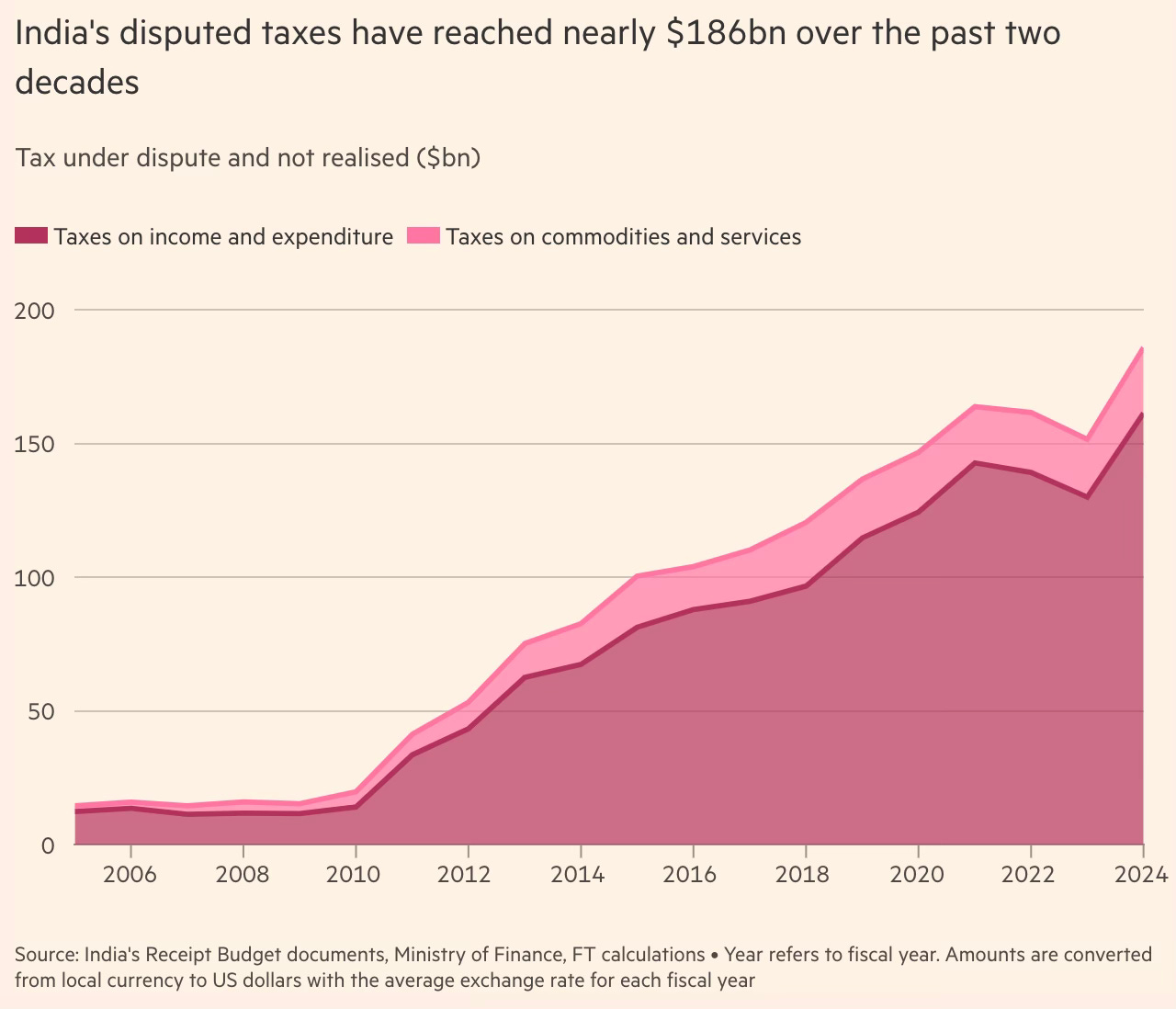
The FT has a good graphic that informs that disputed tax arrears amount to $186 bn, rising a staggering 1140% from $15 bn in 2010 to $186 bn in 2024. 

This is the story of the $1.4 bn tax demand raised on Volkswagen in September 2024 on what appears to be a case of legitimate tax minimisation to skirt around a clear loophole in the tax structure. 

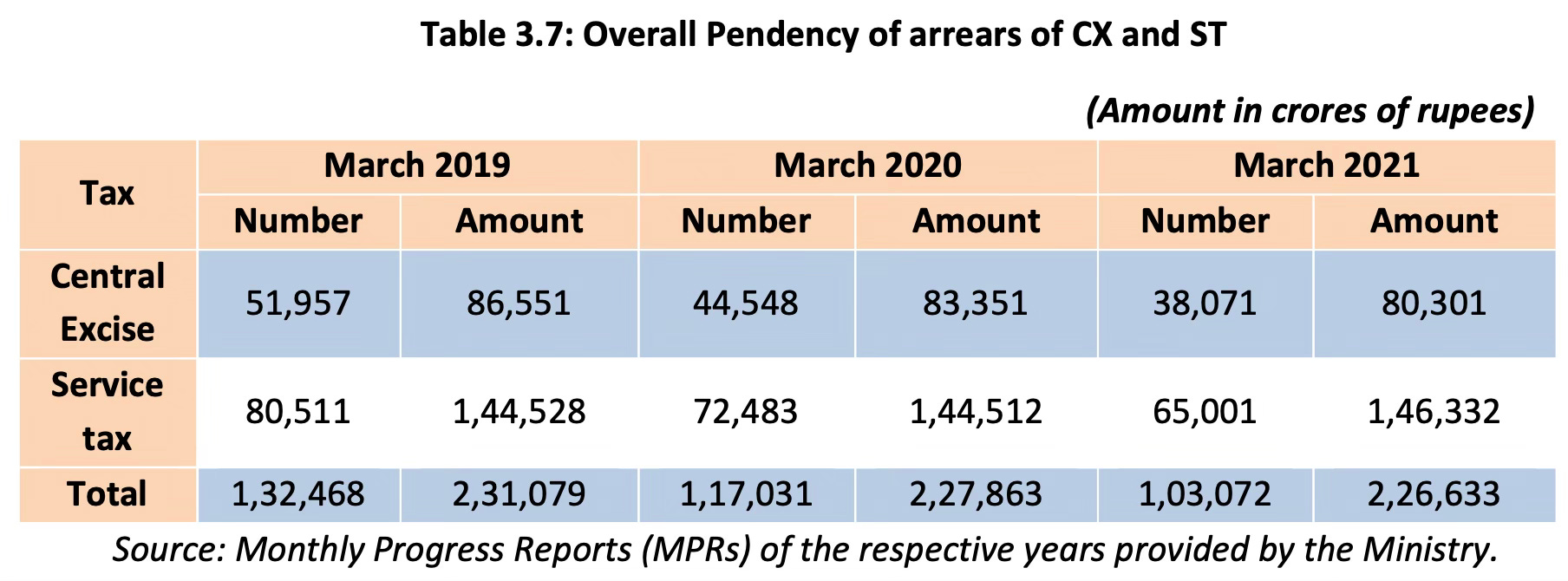
The CAG’s compliance audit report on GST for 2022 reveals some interesting insights on service and excise tax under the Central Excise Act 1944. The Table shows limited progress in recovery of arrears.

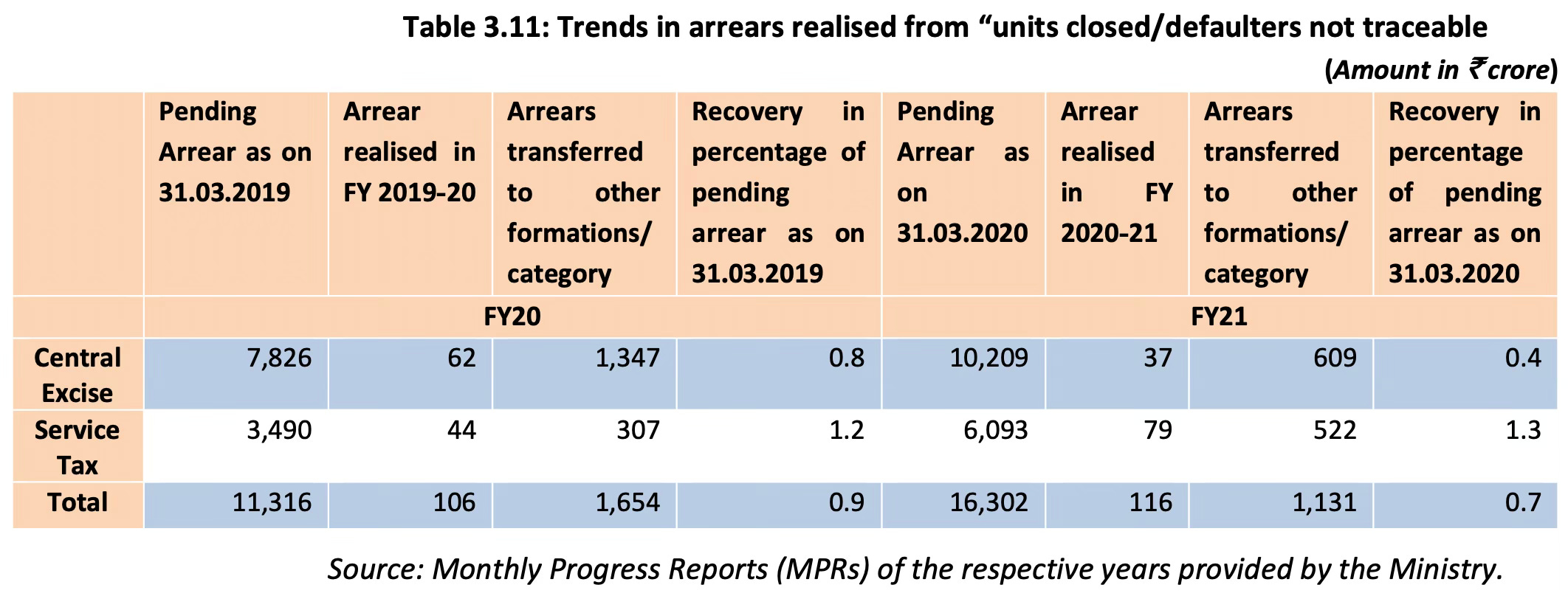
Realisation from closed units is negligible.

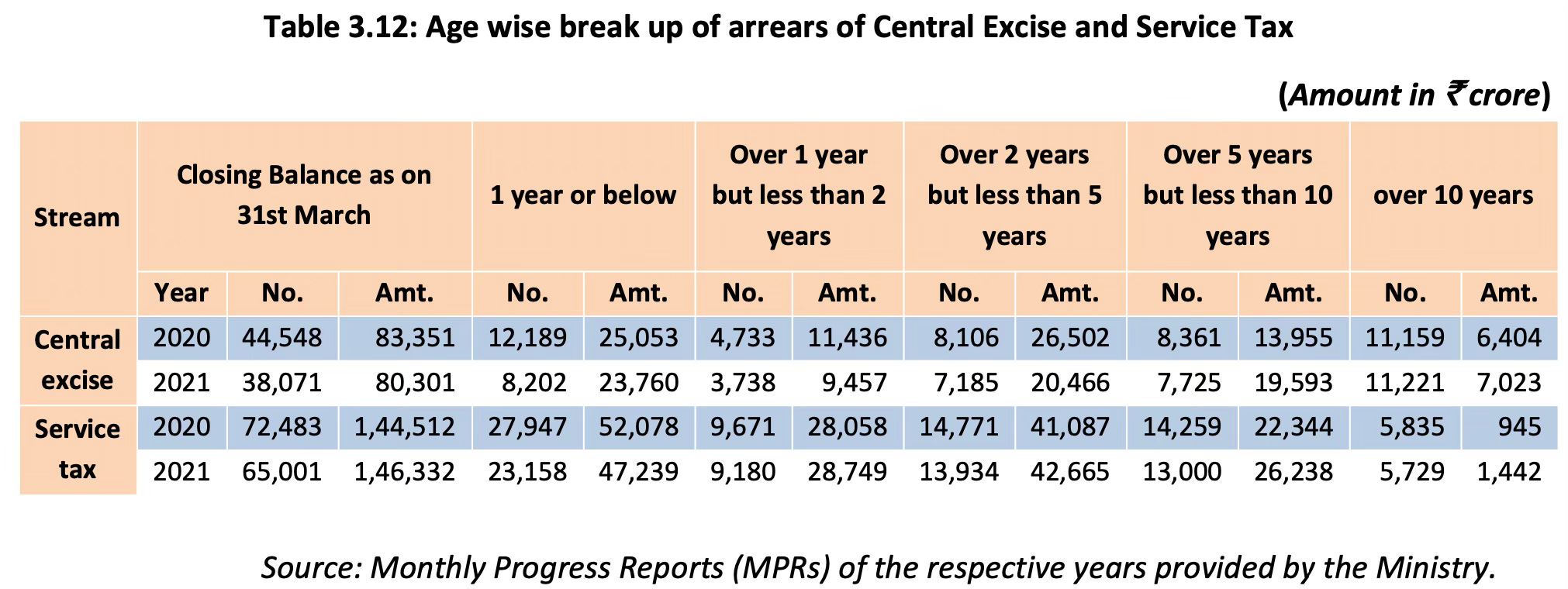
The age-wise break-up of pending arrears is in the table.

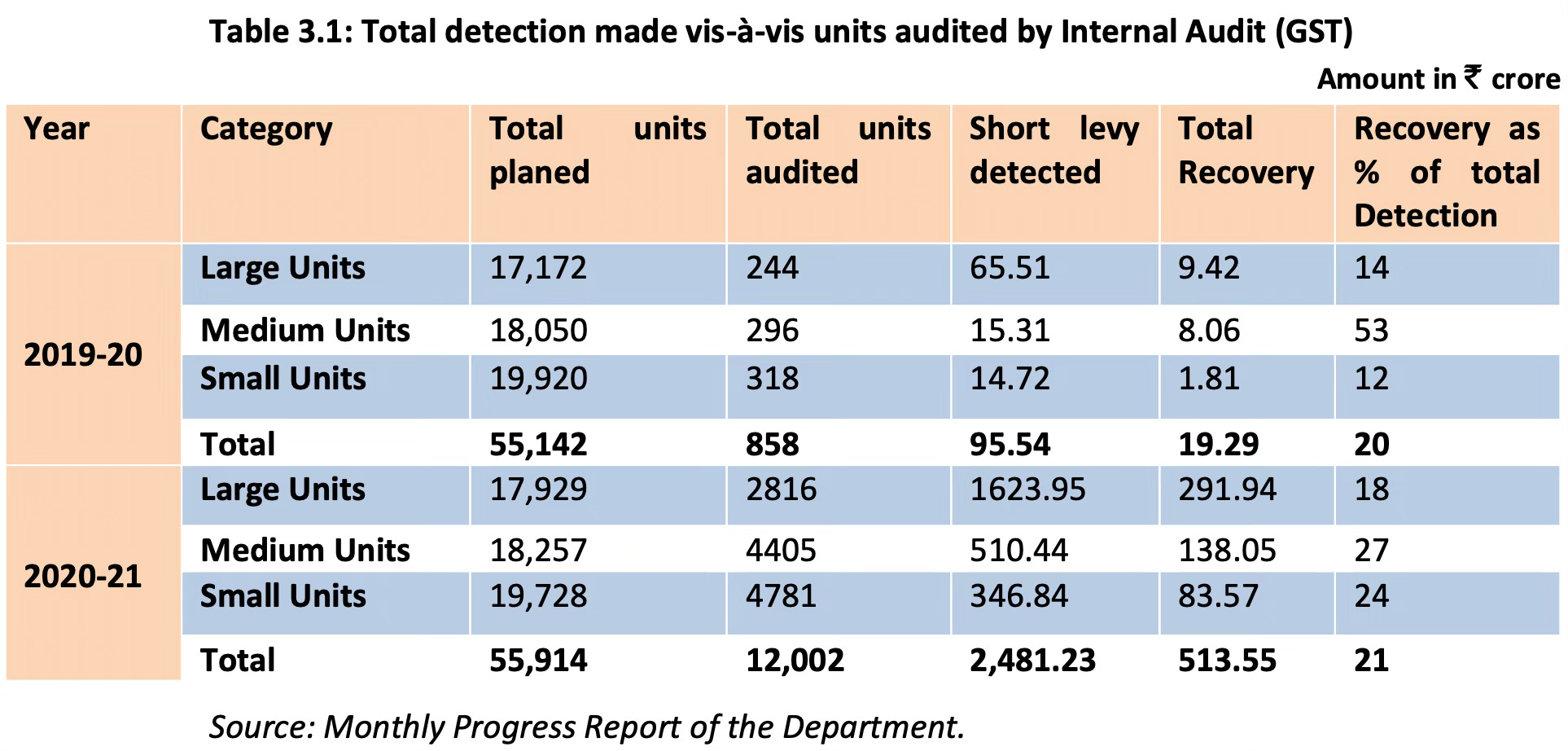
The two graphics below show the percentage of detections and recoveries in GST…

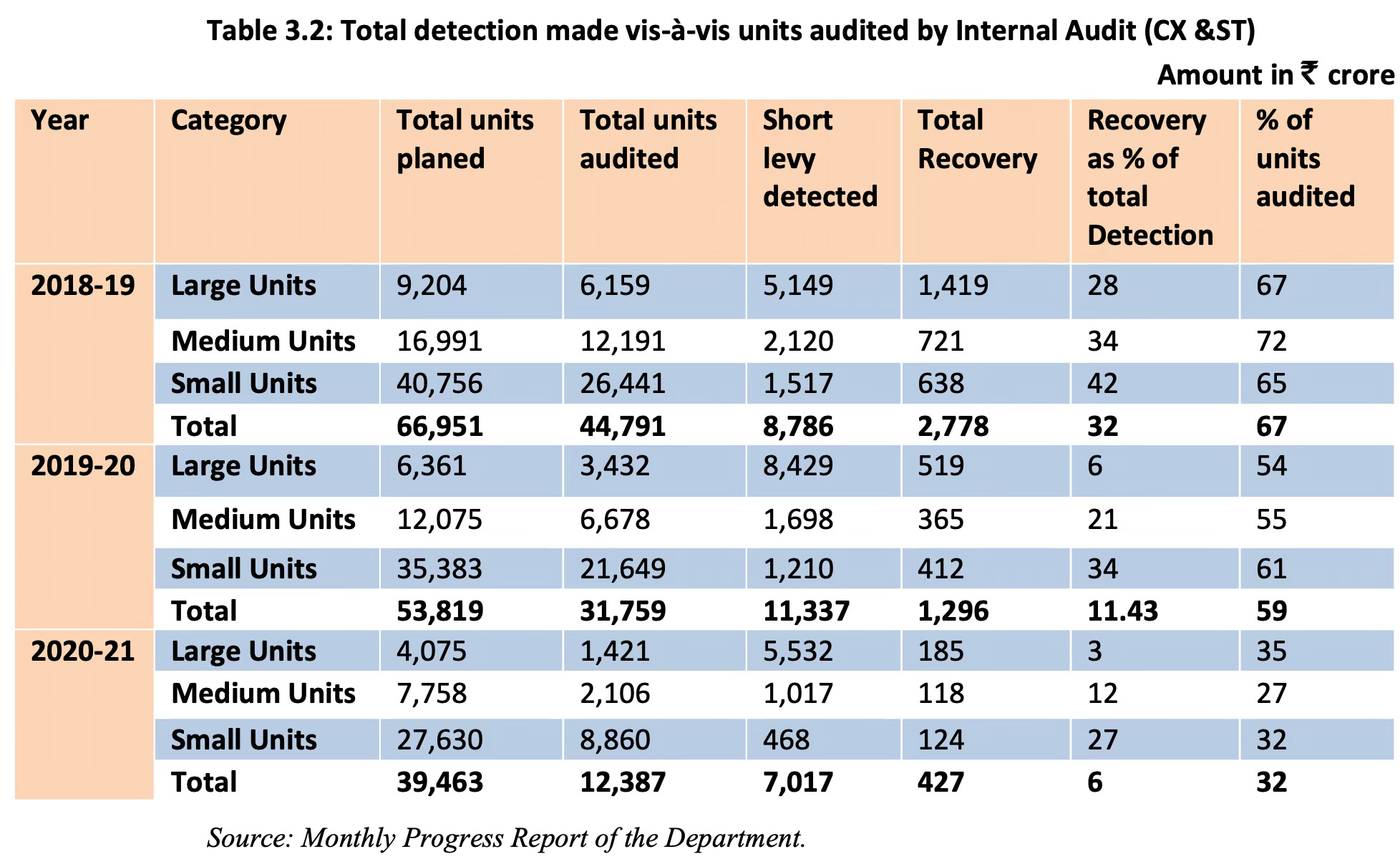
… and Excise and Service Tax.

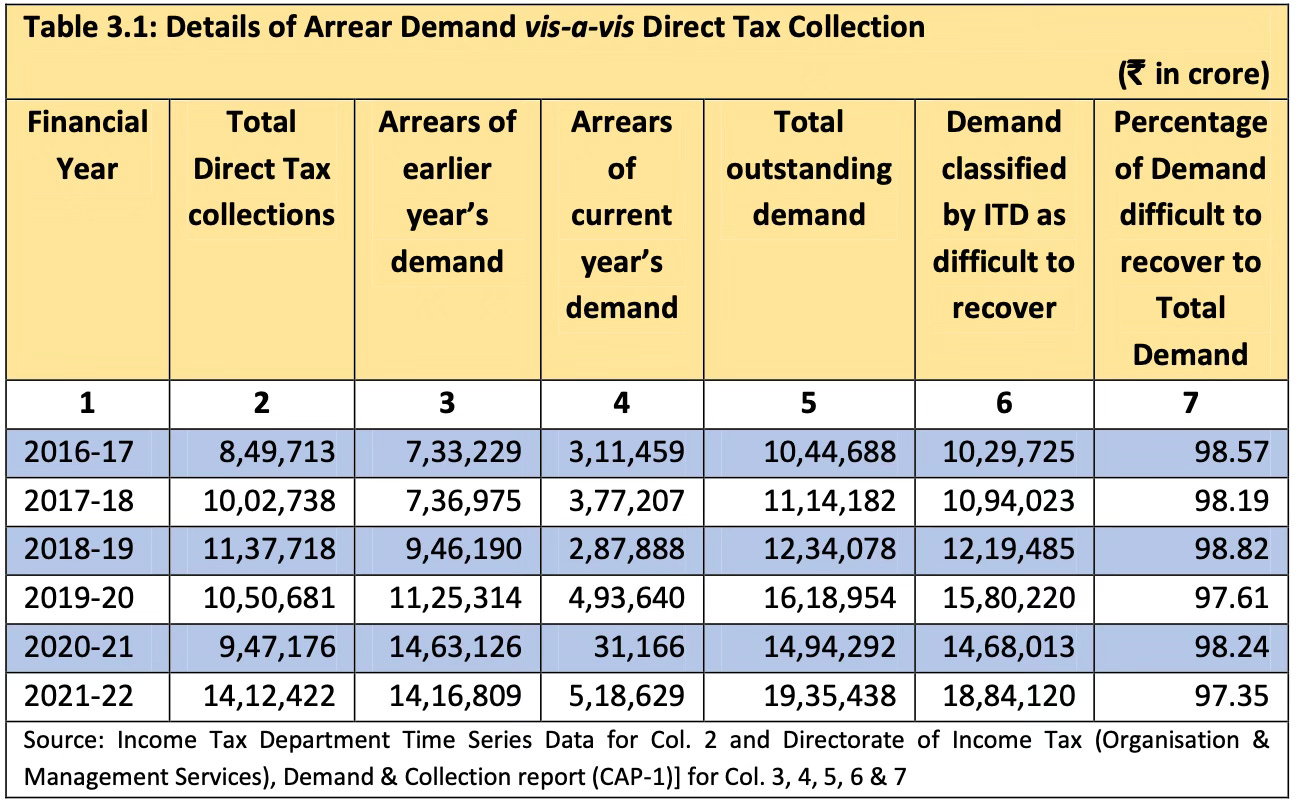
On the direct taxes side, the CAG’s compliance audit on the outstanding demand on income tax assessees for FY22 reveals the following table (HT: The Wire).

An analysis of ‘total outstanding demand’ and demand classified by the ITD as ‘difficult to recover’ vis-à-vis the ‘total direct tax collection’ for the financial years 2016-17, 2017-18, 2018-19 and 2019-20 showed that total outstanding demand had exceeded direct tax collections consistently. The demand classified by the ITD as 'difficult to recover' was more than 97 per cent of the total outstanding demand in all these years. 

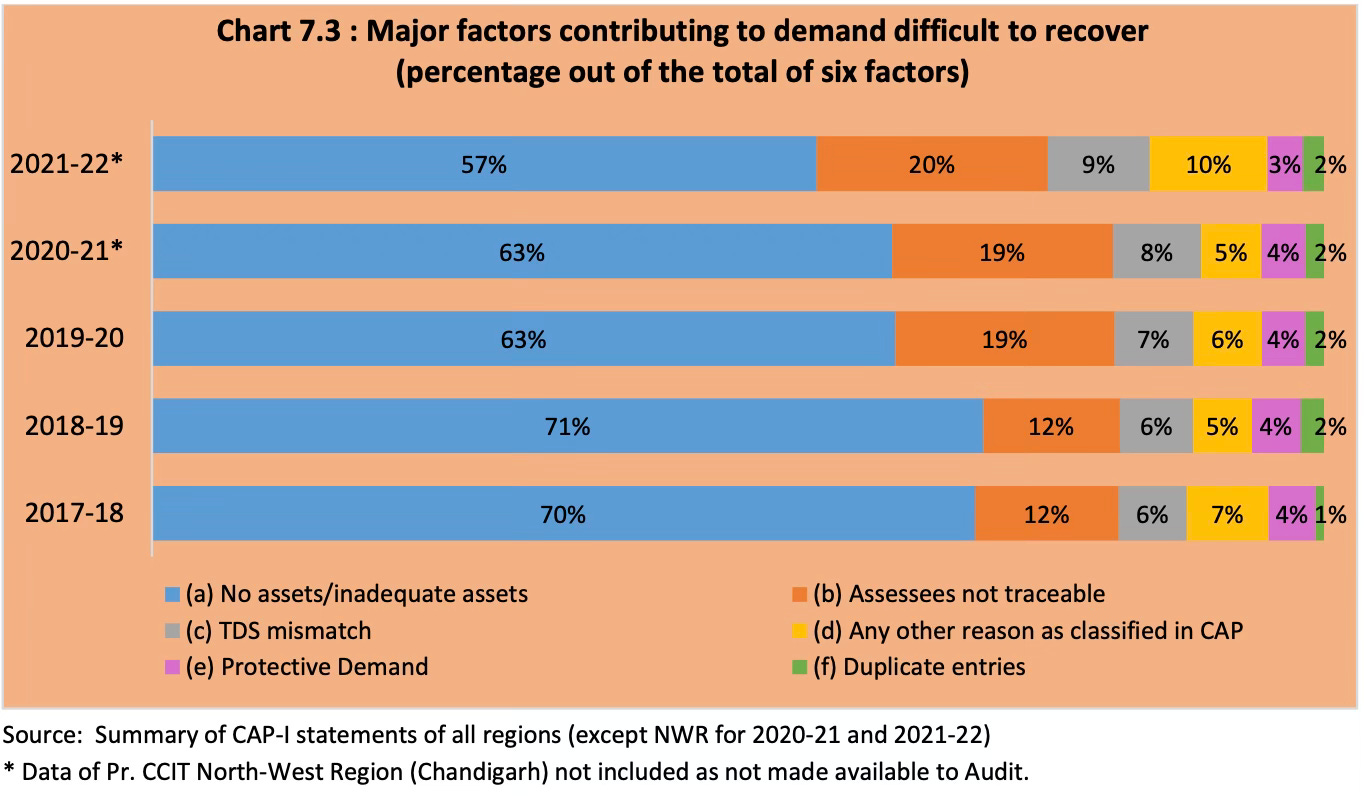
The Table captures the different reasons for the demand difficult to recover. 

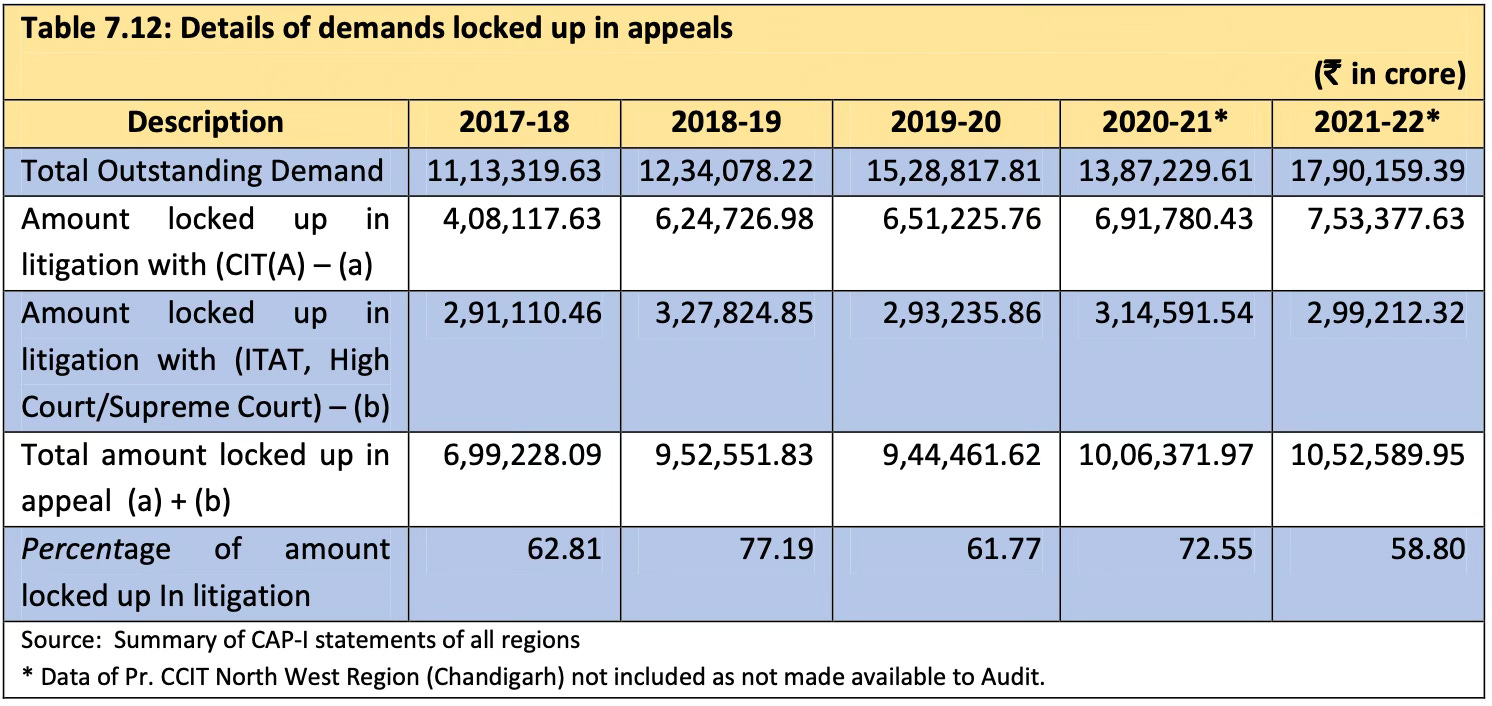
The amounts locked up in litigation range from 59% to 77%. 

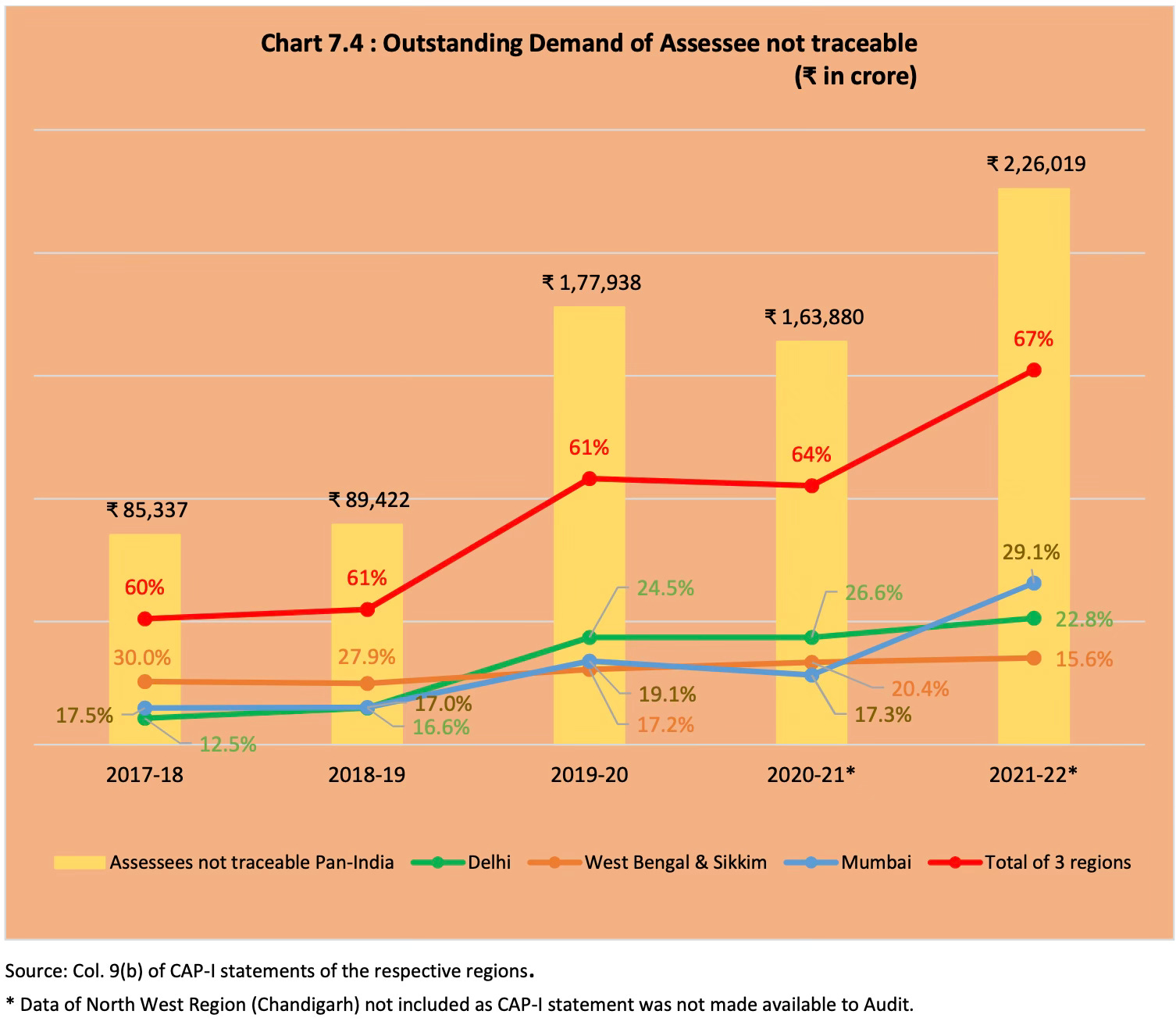
The figure of outstanding demand against the ‘assessees not traceable’ more than doubled in 2019-20 and tripled from 2017-18, despite linking PAN with Aadhaar being mandatory since July 2017. 

All compliance audit reports of CAG can be found here

A few observations.

1. Arrear collections are a dissipative endeavour. For a new officer or government, notwithstanding its persistence over the years, the large arrear pending provides an alluring attraction. A disproportionate amount of effort is expended on arrears with limited results. On a pure cost-benefit analysis, the realisations are often offset by the manpower costs involved, much less the opportunity costs from displaced efforts. 

2. There’s an iron law of arrears - the difficulty of collection increases exponentially with its age. The best time to collect an arrear is in the first year. Once it exceeds the first year, it becomes extremely difficult to recover. Tax authorities should, therefore, focus efforts on collecting dues pending for less than a year. 

3. Once a case goes into litigation, it’s inevitable that the assessee will litigate till the final court of appeal. This also means several years for which the amounts are locked in litigation. Finally, only a tiny share of those cases result in actual realisations. The amounts realised after the completion of litigation are likely to be rounding errors. 

4. It’s not out of place here to say that the courts also play their role in the accumulation of cases in litigation. While inordinate delays are the common culprit, a less-discussed contributor is the propensity in many courts to admit cases at various stages of investigation, adjudication, and appeal. The taxpayers tend to prefer this route since it allows them to pay a small amount and delay the due process before the tax authorities. Collusion among all stakeholders ensures that the case gets delayed interminably. 

In this context, I had blogged here with several actionable suggestions to address such excessive demands. 

Apart from procedural reforms, there’s also the need for some form of performance management of officers in tax departments. Specifically, there should be a mechanism to rigorously monitor the quality of their assessment and enforcement work. 

As a framework, allocation of cases for investigations should be based on signatures of high likelihood of evasion (also ideally high-value evasion for audits and inspections). Investigations should avoid false positives that harass innocent taxpayers with notices and procedural pain. Similarly, the quality of investigation and adjudication should strive to target deviations in the least invasive manner and should result in realisations that are close to the initial demand.

Accordingly, any investigation can be reduced to four stages - assignment of the case and issue of notice, detection of deviation and raising of preliminary demand, adjudication and issue of final demand, and collection. The detection rate (detected cases/total cases identified for issue of notice) is a measure of the quality of assignment or allocation. The ratio of final demand to initial demand is a measure of the quality of the investigation. The ratio of collection to the final demand raised is a measure of the quality of adjudication (and collection). Finally, there’s the average realisation per case, which is a measure of the combined quality of the tax enforcement work (this last metric will also ensure that officials don’t game the system by raising several small tax demands). 

These metrics can be customised based on the specific sequence of processes associated with each tax agency. 

Taken together, at a steady state and over the tenure of an officer, these four ratios should give a reliable assessment of the quality of the assignment, investigation, adjudication, and collection. It might, therefore, be useful for the tax authorities to devise benchmarks for each stage and have all tax officials performing these roles assessed for the duration of their tenures on these metrics. These performance metrics should inform the postings of officers and the assignment of cases. 

In fact, if historical data on these metrics can be assessed for each senior officer (along the lines discussed here), then it might be a good basis for identifying officers who have the propensity for aggressive demand-raising. The CBDT and CBIC could invite academic researchers and offer them access to their databases and have them analyse and generate the reports as required (while also allowing them to publish on the headline findings).  

Thursday, January 30, 2025

The elusive promise of e-governance

There’s a widespread impression that persistent and deep-rooted problems and deficiencies in public systems can be addressed by digital solutions. It’s almost an article of faith that workflow automation of the kind that’s now pervasive in the private sector can be easily applied to public systems for similar uses.

Accordingly, over the last two decades, software applications with telemetry systems to manage and monitor transactions have been thought to have transformative potential in public policy and governance. Experts and tech optimists have extolled the benefits of these e-governance applications and projected them as low-hanging fruits with transformative potential. 

Doubtless, there have been some notable successes with e-governance. The biggest and most salient have been with the online processing of applications for statutory services like municipal services, permits and licenses, property registration, birth and death registration, and most iconically, the passport seva kendras. 

But there are numerous examples of evidently digitisable logistical activities where success has proven elusive. Consider the following tasks that involve services offered by or activities within governments and those which suffer from serious problems (leakages, inefficiencies, etc.).

1. Procurement of drugs, vaccines, and other consumables by state governments, indenting of requirements by field units from Primary Health Centres to tertiary care facilities, distribution of drugs to the field units, and inventory management at all levels (from central and district drug stores to field units).

2. Workflow automation of the procurement of paddy at procurement centres, conversion to custom milled rice (CMR) by rice millers, and distribution of CMR to state government stock points and then to Fair Price Shops, and the distribution by FPS as part of the Public Distribution System (PDS). And the settlement of the food subsidy accounts associated with each transaction from procurement to distribution. 

3. Allotment of rice and other items to mid-day meal programs and residential education schools and hostels, indenting by these institutions, and inventory management at all levels.

4. Monitoring of attendance of thousands of officials across schools/hostels, hospitals, anganwadis, and other widely dispersed facilities. 

5. Monitoring maternal and child health outcomes of pregnant and lactating women and infants through the four ante-natal checkups, delivery, seven post-natal checkups, and all the 10-12 immunisation doses. 

6. Recording of the bill of quantities of work executed in case of infrastructure works on the statutory Measurement books (M-Book). More generally, the processes of bid management, tender awarding, work agreement documentation, bill recording, check measurements, payment processing, other administrative actions (time extensions, quality control checks etc.), and work closure. 

7. Data acquisition systems that track and render on dashboards real-time information on the flow of water from the treatment facility along trunk lines to intermediate reservoirs (ground-level or overhead), and downstream to smaller distribution areas. Similarly, systems that track and render the flow of electricity from upstream 132/33 kV and 33/11 kV substations to distribution feeders and downstream to distribution transformers. 

8. Digitisation of post-harvest activities like assaying and grading, contracting between buyers and sellers, delivery of produce, and accounts settlement at notified agriculture marketplaces (implementation of e-NAM). 

In each case, there are serious implementation deficiencies or failures associated with the underlying transactions. There are either substantial subsidy leakages or monitoring challenges. And in theory, the digital solution has the potential to address them effectively. 

They are also areas where several rounds of e-governance applications have been experimented over the last two decades. Governments at central, state, and local government levels have responded with applications covering a vast range of sectors. They have been supplemented with similar efforts by aid agencies and philanthropies. 

Over nearly two decades, successive generations of officers at each level have experimented with applications spanning all these activities. At best, and that too very rarely, they have succeeded partially, but most have not survived the official or politician who implemented it. 

Despite these long-drawn series of efforts, I don’t think there’s even a single instance in any of these areas where the digital solution has solved the underlying problem at least in one state or city or agency. The underlying problems have remained just as persistent

Note that there will be several claims of successful IT applications involving the aforesaid problems and awards bestowed on them. We must go beyond the headlines and scrutinise the actual outcomes of those claims (whether the IT solution has actually resolved the underlying problems in any meaningful manner or not). 

There are several reasons for these failures. I have blogged hereherehere, and here, examining some of the reasons. The point of this post is less to examine the reasons and to draw attention to this headline reality of consistent failure to address the problems despite the numerous attempts. 

My big concern, therefore, and a reason for urging caution with digital solutions (as articulated here), is that the mere adoption of these solutions invariably instils a sense of complacency in the system that detracts from the good old-fashioned problem-solving of these issues that are essential for their meaningful resolution.

For all their apparent simplicity, each of these involves realigning a powerful set of entrenched vested interests that are impervious to technological innovations alone. Such applications face daunting technical and implementation challenges. On the technical side, they require very careful and thoughtful design and iterative adaptation once rolled out. On the implementation side, they require stakeholder ownership and change management. The technical aspect must be complemented with robust governance and strong stakeholder engagement for the solution to stand any chance of success.